À propos de cet événement
𝗜𝗡𝗩𝗘𝗦𝗧𝗠𝗘𝗡𝗧:
Early Birds: €130 (use the code: HOA15 on check out), valid until, 11 November 2026.
Regular:€145
Bundle ticket (Hands on Adjustment training + Intro to Thai Yoga Massage): €260, please choose BUNDLE on the tier drop down menu to purchase this one.
• Limited space.
------------------------------
𝗜𝗻𝘁𝗲𝗿𝗮𝗰𝘁𝗶𝘃𝗲 𝗧𝗿𝗮𝗶𝗻𝗶𝗻𝗴 𝗳𝗼𝗿 𝗬𝗼𝗴𝗮 𝗧𝗲𝗮𝗰𝗵𝗲𝗿𝘀
𝙏𝙤𝙪𝙘𝙝 𝙞𝙨 𝙖 𝙡𝙖𝙣𝙜𝙪𝙖𝙜𝙚. 𝙇𝙚𝙖𝙧𝙣 𝙝𝙤𝙬 𝙩𝙤 𝙨𝙥𝙚𝙖𝙠 𝙞𝙩 𝙬𝙚𝙡𝙡.
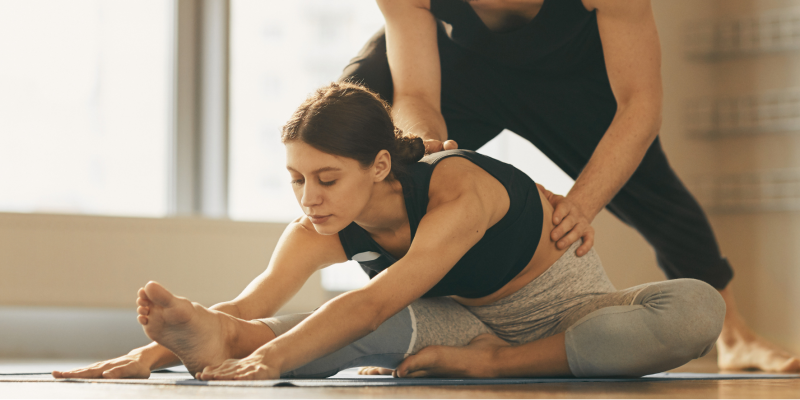
How do you touch a student in a way that feels safe, respectful and supportive? And how can an adjustment help a student experience an asana more deeply, rather than simply making the pose look “better”?
Touch can be a powerful tool in yoga teaching. A well-placed hand can bring awareness to a part of the body the student has lost connection with, offer a sense of direction, create stability, or help someone understand an action in a posture that words alone cannot communicate.
But touch also requires sensitivity, clear intention and good communication.
In this interactive 3-𝙝𝙤𝙪𝙧 𝙥𝙧𝙖𝙘𝙩𝙞𝙘𝙖𝙡 𝙩𝙧𝙖𝙞𝙣𝙞𝙣𝙜, we will explore the art of hands-on adjustments in both 𝙨𝙩𝙖𝙣𝙙𝙞𝙣𝙜 𝙥𝙤𝙨𝙚𝙨 𝙖𝙣𝙙 𝙘𝙤𝙢𝙢𝙤𝙣𝙡𝙮 𝙪𝙨𝙚𝙙 𝙛𝙡𝙤𝙤𝙧-𝙗𝙖𝙨𝙚𝙙 𝙖𝙨𝙖𝙣𝙖𝙨. Rather than learning a collection of fixed techniques to apply mechanically, you will learn how to feel, observe and respond to the individual student in front of you.
𝗬𝗼𝘂 𝘄𝗶𝗹𝗹 𝗲𝘅𝗽𝗹𝗼𝗿𝗲:
• Where and how to touch a student safely and appropriately
• How to use your hands to create awareness rather than simply “correct” a pose
• How pressure, direction, support and timing influence an adjustment
• How to recognise when a student may benefit from an adjustment, and when not to adjust
• How to adapt an adjustment to different bodies, abilities and levels of experience
• How to communicate through touch while respecting personal boundaries
• How to become more sensitive to subtle physical feedback from the student
• How your own body positioning and mechanics affect the quality of an adjustment
• How to use touch as an invitation rather than an instruction
• How to distinguish between an adjustment that supports the student's experience and one that simply imposes your idea of the “right” shape
𝗟𝗲𝗮𝗿𝗻 𝘁𝗵𝗿𝗼𝘂𝗴𝗵 𝗲𝘅𝗽𝗲𝗿𝗶𝗲𝗻𝗰𝗲
This is a 𝗵𝗮𝗻𝗱𝘀-𝗼𝗻 𝘁𝗿𝗮𝗶𝗻𝗶𝗻𝗴, not a lecture.
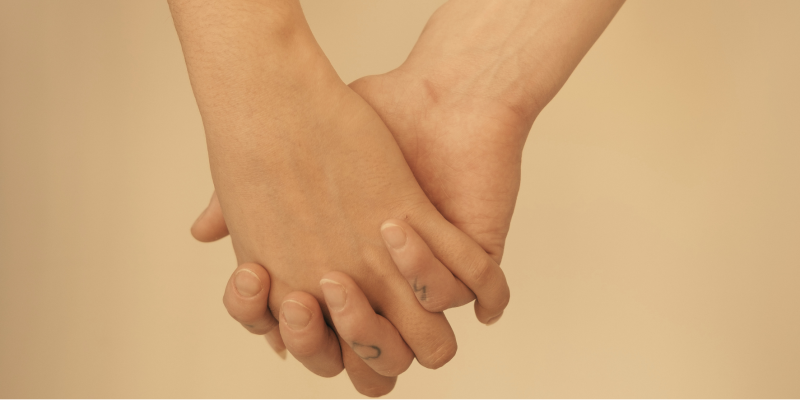
You will work in pairs, taking turns giving and receiving adjustments. This is an important part of the learning process. Before becoming confident with your hands as a teacher, you need to understand what it actually feels like to be on the receiving end.
You will have the opportunity to experience different kinds of touch for yourself: what creates space, what feels supportive, what helps you understand a movement, what feels neutral, and what feels like too much.
Because the body gives feedback that the eyes cannot always see.
Through this process, you will begin to develop a more refined sense of 𝗽𝗿𝗲𝘀𝘀𝘂𝗿𝗲, 𝗱𝗶𝗿𝗲𝗰𝘁𝗶𝗼𝗻, 𝘁𝗶𝗺𝗶𝗻𝗴, 𝗿𝗲𝘀𝗶𝘀𝘁𝗮𝗻𝗰𝗲 𝗮𝗻𝗱 𝗿𝗲𝘀𝗽𝗼𝗻𝘀𝗲. You will also become more aware of your own assumptions about alignment and how these can influence the way you teach.
𝗔𝗱𝗷𝘂𝘀𝘁𝗺𝗲𝗻𝘁 𝗶𝘀 𝗻𝗼𝘁 𝗮𝗯𝗼𝘂𝘁 𝗳𝗼𝗿𝗰𝗶𝗻𝗴 𝘁𝗵𝗲 𝗯𝗼𝗱𝘆
Every body is different.
The same adjustment can feel supportive for one student and completely inappropriate for another. A student's anatomy, experience, mobility, strength, current physical state and personal boundaries all influence how touch is received.
We will therefore look beyond the question of “𝗛𝗼𝘄 𝗱𝗼 𝗜 𝗮𝗱𝗷𝘂𝘀𝘁 𝘁𝗵𝗶𝘀 𝗽𝗼𝘀𝗲?” and explore a more useful question:
“𝗪𝗵𝗮𝘁 𝗱𝗼𝗲𝘀 𝘁𝗵𝗶𝘀 𝘀𝘁𝘂𝗱𝗲𝗻𝘁 𝗻𝗲𝗲𝗱 𝗿𝗶𝗴𝗵𝘁 𝗻𝗼𝘄?”
Sometimes the answer is a hands-on adjustment.
Sometimes it is a verbal cue.
Sometimes it is a prop.
And sometimes the most skillful adjustment is no adjustment at all.
𝗧𝗵𝗲 𝗮𝗶𝗺
The aim of this training is not to give you a catalogue of impressive-looking adjustments.
It is to help you develop 𝗰𝗼𝗻𝗳𝗶𝗱𝗲𝗻𝗰𝗲, 𝘀𝗲𝗻𝘀𝗶𝘁𝗶𝘃𝗶𝘁𝘆 𝗮𝗻𝗱 𝘁𝗿𝘂𝘀𝘁 𝗶𝗻 𝘆𝗼𝘂𝗿 𝗼𝘄𝗻 𝗵𝗮𝗻𝗱𝘀 𝗮𝘀 𝗮 𝘆𝗼𝗴𝗮 𝘁𝗲𝗮𝗰𝗵𝗲𝗿.
You will leave with practical tools you can bring directly into your classes, but more importantly, with a deeper understanding of touch as a form of communication.
Because good hands-on teaching is not about making a student fit your idea of a pose.
It is about helping the student 𝗳𝗲𝗲𝗹, 𝘂𝗻𝗱𝗲𝗿𝘀𝘁𝗮𝗻𝗱 𝗮𝗻𝗱 𝗶𝗻𝗵𝗮𝗯𝗶𝘁 𝘁𝗵𝗲𝗶𝗿 𝗼𝘄𝗻 𝗯𝗼𝗱𝘆 𝗺𝗼𝗿𝗲 𝗰𝗹𝗲𝗮𝗿𝗹𝘆.
𝗪𝗵𝗼 𝗶𝘀 𝘁𝗵𝗶𝘀 𝘁𝗿𝗮𝗶𝗻𝗶𝗻𝗴 𝗳𝗼𝗿?
This training is for 𝘆𝗼𝗴𝗮 𝘁𝗲𝗮𝗰𝗵𝗲𝗿𝘀 𝘄𝗵𝗼 𝘄𝗮𝗻𝘁 𝘁𝗼 𝗯𝗲𝗰𝗼𝗺𝗲 𝗺𝗼𝗿𝗲 𝗰𝗼𝗻𝗳𝗶𝗱𝗲𝗻𝘁, 𝗰𝗼𝗻𝘀𝗰𝗶𝗼𝘂𝘀 𝗮𝗻𝗱 𝘀𝗸𝗶𝗹𝗹𝗳𝘂𝗹 𝘄𝗶𝘁𝗵 𝗵𝗮𝗻𝗱𝘀-𝗼𝗻 𝗮𝗱𝗷𝘂𝘀𝘁𝗺𝗲𝗻𝘁𝘀.
It is suitable for:
• 𝗡𝗲𝘄𝗹𝘆 𝗾𝘂𝗮𝗹𝗶𝗳𝗶𝗲𝗱 𝘆𝗼𝗴𝗮 𝘁𝗲𝗮𝗰𝗵𝗲𝗿𝘀 who want practical experience using touch in their teaching
• 𝗘𝘅𝗽𝗲𝗿𝗶𝗲𝗻𝗰𝗲𝗱 𝘁𝗲𝗮𝗰𝗵𝗲𝗿𝘀 who want to refine their existing adjustment skills and become more sensitive in their approach
• Teachers who feel 𝘂𝗻𝗰𝗲𝗿𝘁𝗮𝗶𝗻 𝗼𝗿 𝗵𝗲𝘀𝗶𝘁𝗮𝗻𝘁 𝗮𝗯𝗼𝘂𝘁 𝗵𝗮𝗻𝗱𝘀-𝗼𝗻 𝗮𝗱𝗷𝘂𝘀𝘁𝗺𝗲𝗻𝘁𝘀 and want to develop more confidence
• Teachers who already use adjustments but want to better understand 𝗽𝗿𝗲𝘀𝘀𝘂𝗿𝗲, 𝗱𝗶𝗿𝗲𝗰𝘁𝗶𝗼𝗻, 𝘁𝗶𝗺𝗶𝗻𝗴 𝗮𝗻𝗱 𝗶𝗻𝗱𝗶𝘃𝗶𝗱𝘂𝗮𝗹 𝗮𝗱𝗮𝗽𝘁𝗮𝘁𝗶𝗼𝗻
• Teachers who want to explore how touch can support 𝗯𝗼𝗱𝘆 𝗮𝘄𝗮𝗿𝗲𝗻𝗲𝘀𝘀 𝗿𝗮𝘁𝗵𝗲𝗿 𝘁𝗵𝗮𝗻 𝘀𝗶𝗺𝗽𝗹𝘆 𝗰𝗼𝗿𝗿𝗲𝗰𝘁𝗶𝗻𝗴 𝗮𝗹𝗶𝗴𝗻𝗺𝗲𝗻𝘁
• Yoga teachers working with 𝗱𝗶𝗳𝗳𝗲𝗿𝗲𝗻𝘁 𝗯𝗼𝗱𝗶𝗲𝘀, 𝗮𝗯𝗶𝗹𝗶𝘁𝗶𝗲𝘀 𝗮𝗻𝗱 𝗹𝗲𝘃𝗲𝗹𝘀 𝗼𝗳 𝗲𝘅𝗽𝗲𝗿𝗶𝗲𝗻𝗰𝗲 who want a more responsive approach to teaching
You do not need to be an expert in hands-on adjustments to join. In fact, 𝗳𝗲𝗲𝗹𝗶𝗻𝗴 𝘂𝗻𝘀𝘂𝗿𝗲 𝗶𝘀 𝗮 𝗽𝗲𝗿𝗳𝗲𝗰𝘁𝗹𝘆 𝗴𝗼𝗼𝗱 𝗿𝗲𝗮𝘀𝗼𝗻 𝘁𝗼 𝗰𝗼𝗺𝗲.
What matters is that you are curious, willing to practise and open to both giving and receiving touch.
This training is designed for teachers who want to move beyond simply knowing 𝘄𝗵𝗲𝗿𝗲 𝘁𝗼 𝗽𝗹𝗮𝗰𝗲 𝘁𝗵𝗲𝗶𝗿 𝗵𝗮𝗻𝗱𝘀 and learn how to understand 𝘄𝗵𝘆, 𝘄𝗵𝗲𝗻 𝗮𝗻𝗱 𝗵𝗼𝘄 𝘁𝗼 𝘂𝘀𝗲 𝘁𝗵𝗲𝗺.
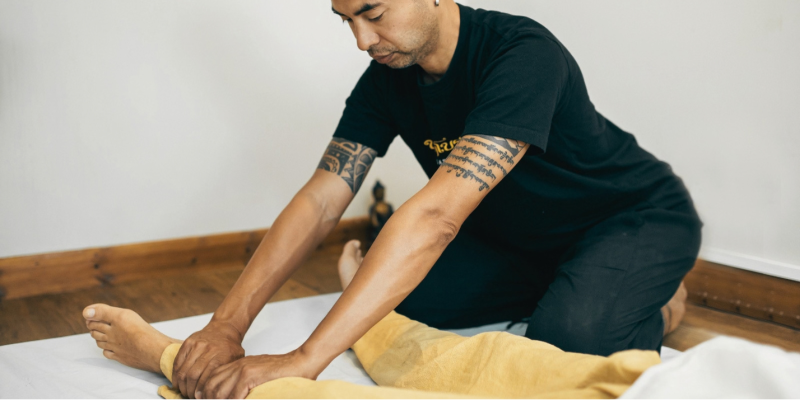
𝗧𝗔𝗨𝗚𝗛𝗧 𝗕𝗬 𝗥𝗘𝗚𝗜 𝗥𝗢𝗠𝗣𝗜𝗘𝗦
With 30 years of experience in yoga, massage and bodywork and 11 years as an affiliated teacher with TMC, Regi brings extensive hands-on experience and a practical, approachable teaching style to the class.
His teaching combines technical knowledge with a strong emphasis on body awareness, ergonomics, conscious touch and the human connection between practitioner and receiver.
–––
𝗖𝗔𝗡𝗖𝗘𝗟𝗔𝗧𝗜𝗢𝗡 𝗣𝗢𝗟𝗜𝗖𝗬
• Cancellations More Than 3 days in Advance
If you cancel at least 3 days before the class, you will receive a refund in the form of class credit to use for future classes.
• Cancellations Less Than 3 days in Advance
No refunds will be given for cancellations made within 3 days of the event. If you have a class pass or drop-in ticket, you will lose a class.
• No-Show
You will lose your investment.
• Cancellations by Mahé Yoga
If we need to cancel a class, you will receive a full refund to your bank
Langue parlée
Anglais, Néerlandais







 Sauvegarder